2026-10-24 ·
Preventing Mold in Rimforest Homes During Wet Winter Months
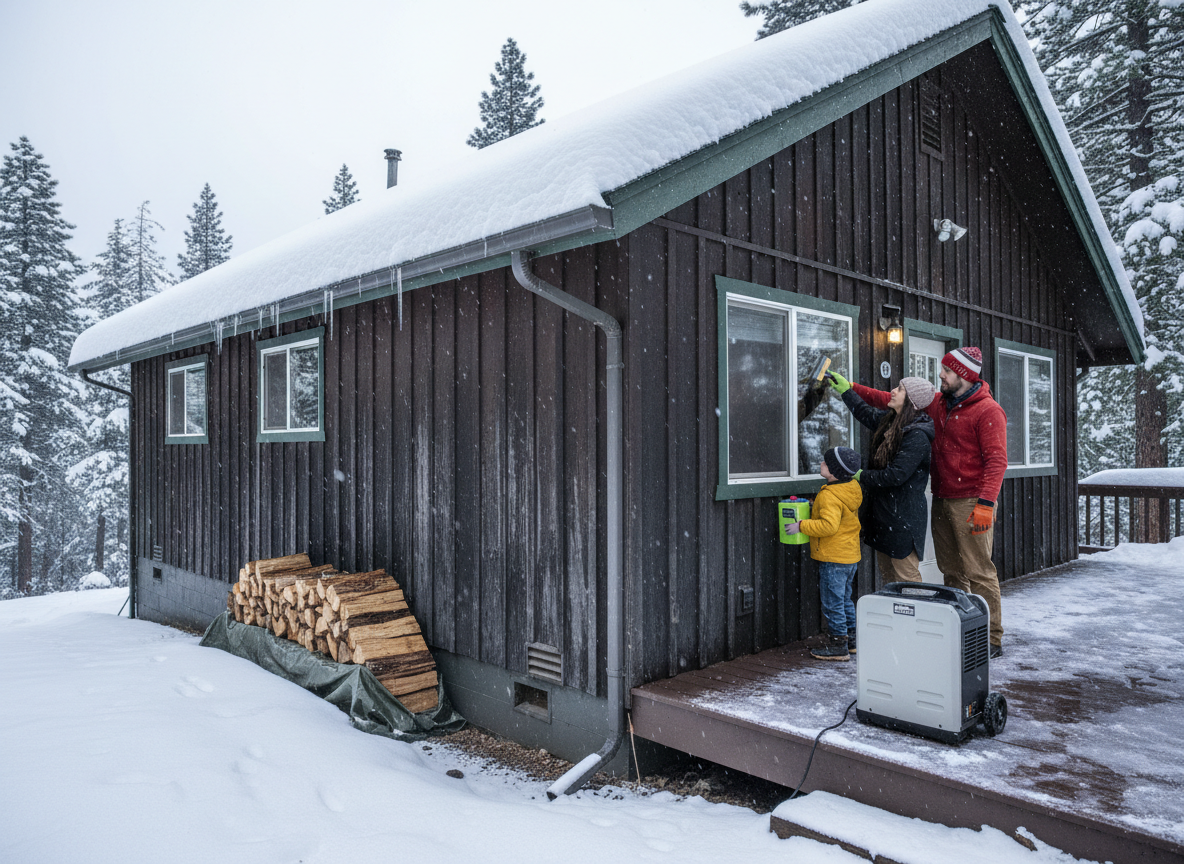
Preventing mold in Rimforest homes during wet winter months starts with removing standing water and drying affected materials within 24 to 48 hours after any leak or snow intrusion. Homes in Rimforest and surrounding San Bernardino County areas face repeated moisture from heavy snowfall that melts slowly and seeps into crawl spaces, attics, and wall cavities of older mountain cabins. Prompt action stops spores from colonizing porous surfaces like drywall and insulation common in these properties.
Understanding Rimforest Winter Moisture Patterns
Rimforest sits at elevation in San Bernardino County where winter storms drop significant snow that lingers on roofs and around foundations. This snow melts gradually, often entering homes through small roof penetrations or foundation cracks that homeowners overlook until odors appear. Cabins built decades ago typically lack modern vapor barriers, allowing humidity to build in enclosed spaces during the long wet season. Nearby Lake Arrowhead experiences similar patterns, with meltwater flowing downhill and pooling against lower-level walls in Rimforest properties. Monitoring roof edges and grading soil away from foundations reduces the volume of water that reaches living spaces.
Inspecting Pipes and Attics Before Snow Accumulates
Freezing temperatures in Rimforest mountain cabins often cause pipe bursts that release water into ceilings and walls. Protecting pipes from freezing in Rimforest mountain cabins outlines steps such as insulating exposed lines in crawl spaces and maintaining minimal heat flow to unoccupied rooms. Attic inspections should check for ice dams along eaves that force meltwater under shingles. Homeowners who walk the perimeter after each storm can spot new stains on ceilings early. These checks prevent the hidden saturation that later requires mold remediation after water damage.
Managing Spring Snow Melt Around Foundations
Spring thaw in Rimforest sends large volumes of water across saturated ground toward lower elevations. Managing spring snow melt flooding around Rimforest properties details installing French drains or extending downspouts to carry water at least six feet from the structure. Soil in the area holds moisture longer than lower-elevation sites, so grading should slope a minimum of six inches over the first ten feet away from the house. Checking window wells and ensuring they drain freely stops water from entering basements where mold colonies establish quickly on stored items.
Drying and Ventilating After Any Water Event
Once water enters a Rimforest home, fans and dehumidifiers must run continuously until moisture readings drop below 50 percent relative humidity. Opening windows on dry days helps, but during ongoing storms this step waits until outdoor humidity falls. Removing wet carpet padding within 48 hours limits mold on subfloors common in local cabins. Checking behind baseboards and inside closets catches damp areas that remain hidden. Consistent drying prevents the musty smell that signals active growth in wall cavities.
Knowing When Professional Help Is Needed
Visible mold larger than a few square feet or recurring odors after drying indicate hidden moisture that requires specialized equipment. Technicians use moisture meters to locate saturation in framing members that standard fans cannot reach. In Rimforest homes, crawl space and attic work often needs containment barriers to keep spores from spreading to living areas. Homeowners who document the source and timeline of water intrusion help restoration crews target the exact affected zones without unnecessary demolition.